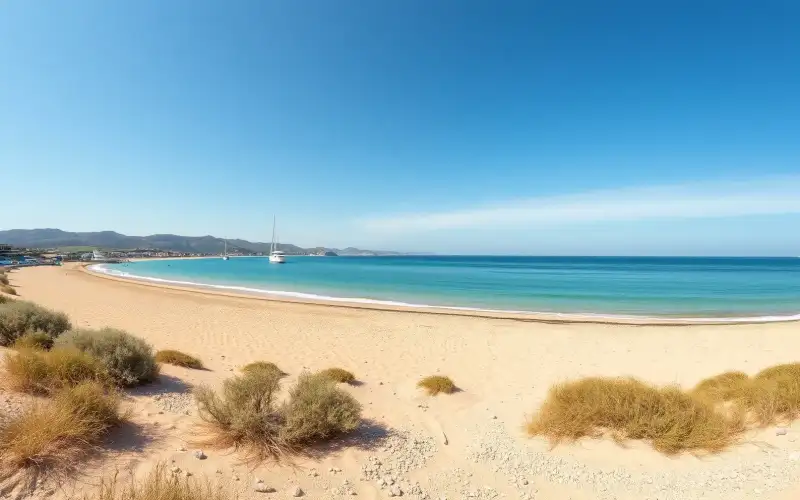
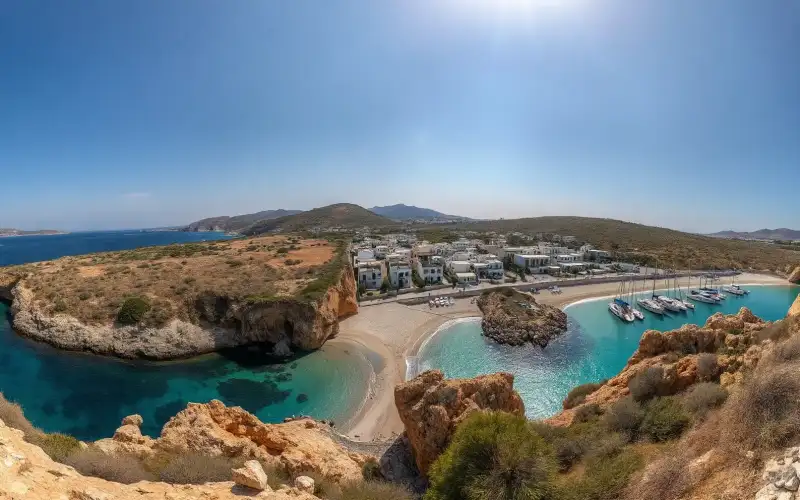
Last May, I watched a British couple in their sixties stand at the edge of Coral Bay, scanning the water with the kind of caution you'd expect from people who'd never swum in the Mediterranean before. They wanted to know three things: was it safe, would there be a sunbed, and how much would it cost. Within an hour, they'd settled into loungers with cold drinks, utterly convinced they'd found paradise. That conversation sparked this guide—because those three questions, and dozens more like them, come up again and again.
Overview: What's Changed on Paphos Beaches in 2026
The Paphos coastline between Coral Bay and Pomos has shifted noticeably in recent years. Blue Flag certifications have expanded, lifeguard cover has become more consistent, and sunbed operators have standardised their pricing across the main beaches. If you visited five years ago, you'll notice the infrastructure is tighter now—better organised, but also busier in peak season.
The beaches here fall into three clear types: the sandy bays near Coral Bay and Kissonerga, the pebbly coves of Akamas, and the mixed-sand beaches around Pafos town itself. Each has its own rhythm, clientele and practical considerations. Understanding which suits your needs—and when to visit—makes the difference between a pleasant afternoon and a frustrating one.
Water temperature in 2026 runs warm from June through September (28-29°C), pleasant but cooling from October onwards. Lifeguard cover concentrates on the main Blue Flag beaches during summer months, tapering significantly after September. This timing matters if you're planning a winter visit—which many British travellers do.
Blue Flag Status and Safety: Which Beaches Have It?
Current Blue Flag Awards (2026 Season)
Three beaches in the Paphos area hold Blue Flag status for 2026: Coral Bay, Lara Beach, and Pafos Harbour Beach. This certification means they meet strict EU standards for water quality, safety infrastructure, environmental management and lifeguard provision. The testing happens annually, so these designations can change.
Coral Bay, the closest major beach to Akamas, earned its Blue Flag renewal for the eighth consecutive year. The water quality tests are rigorous—samples taken weekly during summer months. The beach has permanent lifeguard stations staffed from 10:00 to 17:30 daily during June, July and August. In May and September, cover drops to 10:00-17:00. From October onwards, lifeguards are on call rather than stationed, which means response times increase.
Lara Beach, further south and more remote, holds Blue Flag status despite its isolation. This beach is famous for loggerhead turtle nesting—the area is protected, and access is restricted during nesting season (May-August). If you do visit during these months, stay on the marked paths and never disturb nests. The lifeguard presence here is lighter than Coral Bay, typically one station near the main access point.
Pafos Harbour Beach, right in town, earned Blue Flag status in 2024 and retained it. It's the most urban of the three, surrounded by restaurants and shops, with full lifeguard cover matching Coral Bay's schedule.
Non-Blue Flag Beaches: Safety and Water Quality
Beaches without Blue Flag certification aren't necessarily unsafe—they simply don't meet the formal EU testing regime. Kissonerga Beach, just north of Coral Bay, has no lifeguard cover and no formal water testing, yet locals swim there regularly. The water quality is generally good, but you're responsible for your own safety. Same applies to the smaller coves around Akamas: Fontana Amorosa, Lara's twin cove, and the pebbly beaches near Pomos.
The key difference: Blue Flag beaches have someone watching the water and trained in rescue. Non-Blue Flag beaches don't. If you're a strong swimmer and confident in sea conditions, this may not matter. If you're older, less experienced in the sea, or swimming with children, the peace of mind of a lifeguard is worth seeking out.
Sunbeds, Loungers and Costs: What to Expect in 2026
Pricing Across Main Beaches
Sunbed pricing has standardised significantly. In 2026, expect to pay €8-12 per lounger per day at the main beaches (Coral Bay, Kissonerga, Pafos Harbour). An umbrella adds €4-6. Most operators offer discounts if you rent for three days or more—roughly 15% off. A couple wanting a lounger each plus an umbrella is looking at €30-35 for the day.
Coral Bay, the busiest, sits at the higher end: €10-12 per lounger, €5 for umbrella. Kissonerga undercuts slightly at €8-10 and €4. Pafos Harbour Beach charges €9-11 and €5, partly because beachfront restaurants nearby offer sunbed-and-food packages that make the loungers seem cheaper when bundled.
Remote beaches like Lara and the Akamas coves have minimal or no formal sunbed infrastructure. You'll find the occasional taverna with a handful of loungers, but mostly you bring your own towel and settle on the sand or pebbles. This appeals to people seeking quietness, but it also means no shade if the weather turns hot.
What's Included and What Costs Extra
A sunbed rental includes the lounger, mattress and umbrella (if you pay for it). Water, food and drinks are separate. Most beaches have beachfront tavernas or snack bars. A cold beer runs €3.50-5, a Greek salad €8-12, a souvlaki €6-9. Prices are higher at busier beaches—Coral Bay's taverna charges 20% more than Kissonerga's.
Parking is free at most beaches, though Coral Bay has a small car park (€1.50 per day) and can fill by 11:00 on summer weekends. Kissonerga and Pafos Harbour have larger, free parking areas. The Akamas coves require either a walk of 20-40 minutes from the nearest car park or a boat trip from Coral Bay (€15-20 return).
Lifeguard Cover: Hours, Seasons and What to Know
Summer Schedule (June-August)
Main beaches with lifeguard cover operate on a consistent schedule: 10:00-17:30 daily. This covers the hottest part of the day and the peak swimming hours. If you're planning an early morning swim (many British visitors do, to avoid crowds), there's no lifeguard present before 10:00. The water is calm and safe, but you're unobserved.
Lifeguards at these beaches are trained to EU standards and carry rescue equipment including buoys, rescue tubes and first aid kits. They're positioned to scan the water constantly, though on busy days (July-August weekends) their attention is divided. I've watched them manage 200+ swimmers at Coral Bay—they do their job well, but they're not omniscient.
Shoulder Season (May, September-October)
May and September see reduced lifeguard hours: typically 10:00-17:00. October drops further—many beaches move to weekend-only cover, 10:00-16:00 on Saturdays and Sundays. By November, lifeguards are on call rather than stationed, meaning you phone if there's an emergency, but no one is actively watching the water.
Water temperature remains pleasant in May (24-26°C) and September (26-28°C), making these ideal months for swimming if you want fewer crowds. October is cooler (22-24°C) but still swimmable. The trade-off is reduced lifeguard presence.
Winter and Off-Season (November-April)
Lifeguard cover is minimal or absent. Coral Bay and Pafos Harbour may have weekend cover, but it's not guaranteed. Water temperature drops to 16-19°C—cold enough to require a wetsuit for extended swimming. Most British visitors don't swim in winter, though some hardy souls do.
Family Suitability: Which Beaches Work Best for Children
Best for Young Children (Under 8)
Coral Bay and Kissonerga top the list. Both have shallow shelving—you can wade 30 metres and still be in waist-deep water. The sand is soft and fine, ideal for building sandcastles. Both have lifeguard cover in summer and beachfront facilities including toilets, showers and changing rooms. Coral Bay's taverna has a kids' menu. The downside: both get crowded in peak season (July-August), so arrive early or visit in May or September.
Pafos Harbour Beach is also family-friendly, with the added advantage of being surrounded by shops, restaurants and ice cream vendors. The water shelves gently, and the urban setting means facilities are abundant. It's busier and more commercial than Coral Bay, but some families prefer that.
Suitable but With Caveats (Ages 8-16)
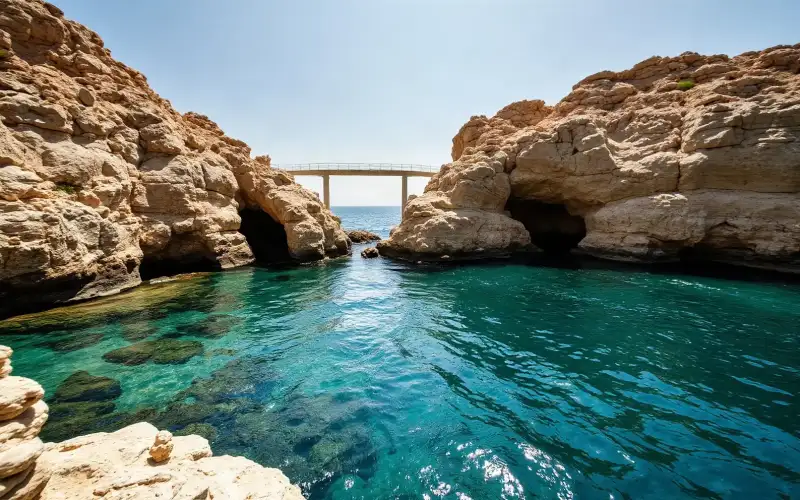
The Akamas coves work well for older children who can manage a walk and are confident swimmers. Fontana Amorosa has a natural freshwater spring that flows into the sea—children find this fascinating. The beach is pebbly, quieter, and surrounded by dramatic cliffs. The walk is 25 minutes from the nearest car park, which filters out families with very young children. Lifeguard cover is absent, so you need to supervise closely.
Lara Beach appeals to families interested in wildlife—loggerhead turtles nest here, and you might see hatchlings in late summer. Access is restricted during nesting season, and the beach is remote. It's not ideal for small children, but older kids fascinated by nature will remember it.
Less Suitable for Young Children
The pebbly beaches around Pomos, further north, have no facilities, no lifeguards and no easy access. They're stunning for photography and quiet swimming, but impractical for families with young children who need shade, toilets and supervision.
Practical Questions: Parking, Facilities and Seasonal Tips
Parking and Access
| Beach | Parking | Cost | Facilities | Lifeguard (Summer) |
|---|---|---|---|---|
| Coral Bay | Small car park + overflow | €1.50/day | Toilets, showers, taverna | Yes, 10:00-17:30 |
| Kissonerga | Large free car park | Free | Toilets, taverna | No |
| Pafos Harbour | Street parking, nearby lot | Free-€1/hour | Full facilities, shops | Yes, 10:00-17:30 |
| Lara Beach | Free car park, 5 min walk | Free | Minimal | Limited |
| Akamas Coves | Car park 20-40 min walk | Free | None | No |
Coral Bay's car park fills by 11:00 on summer weekends. Arrive by 09:30 if you want a spot, or park at Kissonerga (10 minutes' walk north) and walk along the beach. Kissonerga's free parking is a significant advantage if you're budget-conscious or visiting on a busy day.
Pafos Harbour Beach has the most accessible parking—it's in town, so you can park on surrounding streets or use nearby pay lots. This makes it ideal if you want to combine beach time with exploring the old town.
Best Times to Visit
May and September offer the sweet spot: warm water (24-28°C), full or near-full lifeguard cover, and significantly fewer crowds than July-August. A weekday visit in these months feels almost private compared to summer weekends.
June is warmer than May but less crowded than July-August. If you're visiting in summer, go mid-week rather than weekends. Friday to Sunday, Coral Bay is packed shoulder-to-shoulder by 11:00.
October is pleasant for swimming if you tolerate 22-24°C water and don't mind reduced lifeguard cover. The beaches are nearly empty, and you can rent a sunbed for the same price as summer—a bargain if you're comfortable with cooler conditions.
What to Bring
Sun protection is non-negotiable. The Mediterranean sun is intense, and many British visitors burn badly on their first day. SPF 50+, reapplied every two hours, is standard. A hat, sunglasses and a light cover-up for between-swim periods are essential.
Flip-flops or water shoes are useful—the pebbles at Akamas coves are sharp, and even sandy beaches can have rocky sections. A waterproof bag for phones and valuables is practical, though theft is rare on these beaches.
If you're visiting a non-Blue Flag beach or swimming outside lifeguard hours, consider a bright swim cap or buoy so you're visible in the water. I've seen too many swimmers in dark clothing merge with the water line in ways that worry anyone watching from shore.
Common Concerns: Answered Directly
Is the water clean? Yes. Blue Flag beaches are tested weekly. Non-Blue Flag beaches are generally fine, but you have no formal guarantee. After heavy rain, water quality can dip temporarily—avoid swimming for 24-48 hours after storms.
Are there sea urchins? Occasionally, particularly on rocky sections and in autumn. Wear water shoes if you're worried. Stings are painful but not dangerous—vinegar (available at most beach tavernas) helps.
Is it safe to leave belongings on the beach? Theft is rare, but not impossible. Don't leave expensive items unattended. A small dry bag with essentials (phone, cash, keys) is safer than leaving a bag on the sand.
Can I bring my own sunbed or umbrella? Yes, and many people do. It saves money and gives you independence. Coral Bay's taverna doesn't object to people bringing their own loungers, though they'd prefer you rent from them.
What about nudist beaches? There are no official nudist beaches in the Paphos area. Some remote Akamas coves see occasional nude swimmers, but it's not formalised or encouraged.
Verdict: Choosing Your Beach
If you want lifeguard cover, good facilities and a family-friendly atmosphere, choose Coral Bay or Pafos Harbour Beach. If you want quietness and don't mind walking, head to the Akamas coves or Lara Beach. If you want a balance—decent facilities, fewer crowds, no lifeguard—Kissonerga fits perfectly.
Timing matters as much as location. May and September deliver the best combination of warm water, manageable crowds and good lifeguard cover. July and August are busy but reliable. October-April are quieter but colder and less supervised.
The Paphos coastline offers something for every preference. The key is matching your needs—family comfort, solitude, water temperature, safety—to the right beach at the right time. That British couple I mentioned at the start? They spent the rest of their week moving between Coral Bay and Kissonerga, discovering that neither was better than the other—just different. That's the real insight: there's no single best beach here, only the one that suits you.
Comments (6 comments)