
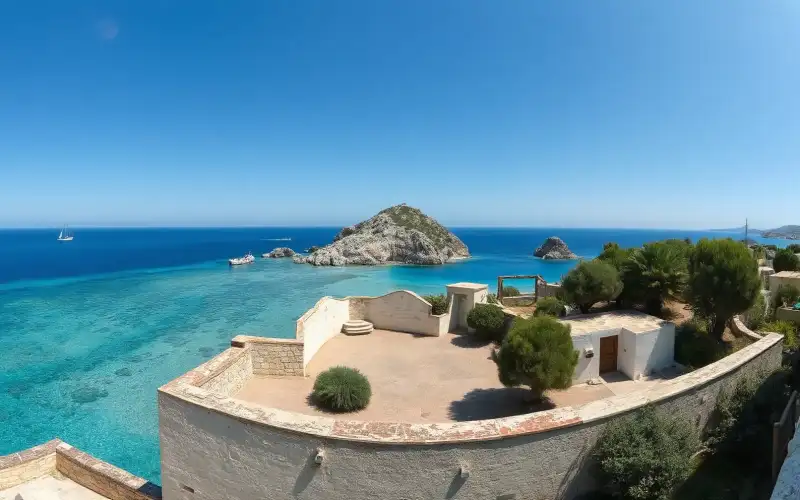
The Photograph Versus the Morning Reality
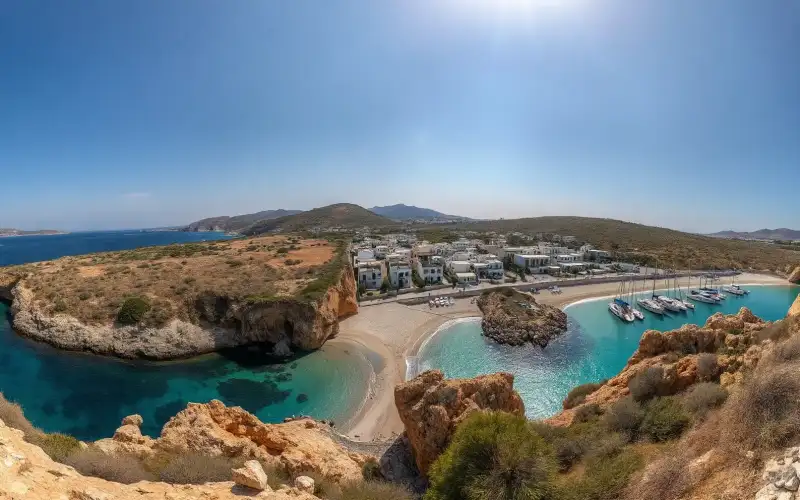
I first saw the Blue Lagoon on Instagram in 2019—crystalline water the colour of a swimming pool, white sand, no people visible. My family and I booked a boat trip from Latchi harbour for the following July, imagining quiet mornings and underwater photographs. What we found instead was 180 people standing shoulder to shoulder in water that, while undeniably beautiful, felt more like a resort pool during peak hours.
The Blue Lagoon is real. The water genuinely is that colour—a consequence of shallow limestone seabed and filtered sunlight rather than Photoshop. But the solitude in those viral images? That's the result of either arriving at 6 a.m. or visiting in April. Most boat operators don't mention this distinction when you're booking online.
After five summers of annual trips to Coral Bay and the Akamas peninsula, I've learned which operators are honest about conditions, which times actually deliver what the brochures promise, and what happens when you arrive at the wrong hour. This is not a guide to Instagram moments. It's a guide to swimming in the Blue Lagoon without feeling like you're in a theme park queue.
Understanding the Boat Trip Operators from Latchi
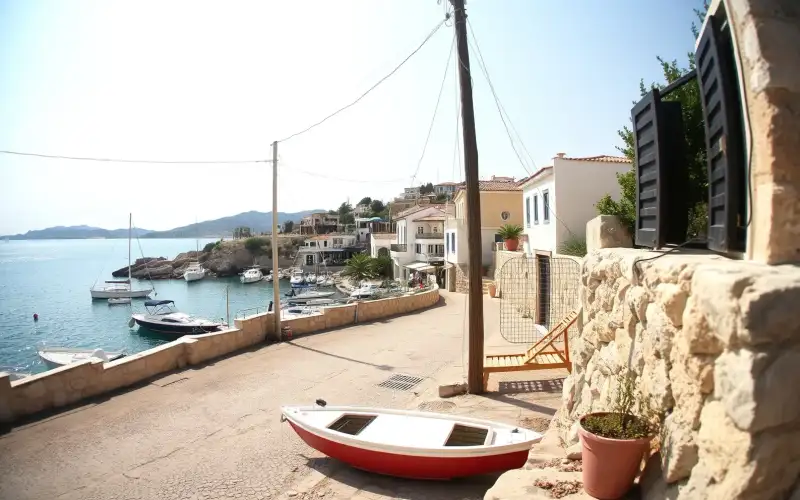
Latchi harbour sits about 45 minutes north of Paphos town, a working fishing village with a promenade of tavernas and a handful of boat operators. In 2026, roughly eight companies run regular trips to the Blue Lagoon during summer months (May to September). Not all are equal.
The Major Operators and Their Differences
The largest operators—those with 3-4 boats and established booking systems—typically run two daily trips: morning (usually 9 a.m. to 1 p.m.) and afternoon (2 p.m. to 6 p.m.). They charge €25–35 per adult, €12–18 per child, and include the boat journey, time at the lagoon, and sometimes a light lunch or drinks. The morning trip departs after most early risers have already left the water; the afternoon trip catches the post-lunch crowd.
Smaller operators—single-boat businesses often run by local fishermen—charge slightly less (€20–28) but offer more flexibility. Some will negotiate early departures (7 a.m. or earlier) if you book the night before and commit to a private or semi-private trip. These operators rarely advertise online; you book by phone or by walking to the harbour.
The distinction matters. A standard morning trip from a major operator arrives at the lagoon around 10:15 a.m., when perhaps 60–80 boats are already anchored. A 7 a.m. departure from a smaller operator means you're in the water by 8:45 a.m., with maybe 15–20 boats visible. The difference in experience is substantial.
What to Expect from the Standard Trip
Most operators follow a similar structure. You arrive at Latchi harbour 15–20 minutes before departure, sign a basic liability waiver, and board a fibreglass speedboat or catamaran. The journey to the Blue Lagoon takes 20–25 minutes, passing the Akamas coastline—dramatic cliffs, hidden coves, and occasionally sea turtles if you're lucky. The skipper usually points out Lara Beach, a nesting site for loggerhead turtles, though you won't land there.
Upon arrival at the lagoon, the boat anchors in about 3–5 metres of water. You're free to swim, snorkel, or float for 2–3 hours. Most boats provide basic snorkelling equipment (mask, fins, snorkel) though quality varies wildly. Some operators provide towels; others expect you to bring your own. A few offer lunch—usually a simple Greek salad, grilled fish, and bread—served on deck around noon. Drinks (beer, soft drinks, water) are typically included, though alcohol is sometimes charged separately.
The return journey departs around 1 p.m. (morning trips) or 5:30 p.m. (afternoon trips). You're back in Latchi by early afternoon or early evening, depending on which trip you've taken.
The Anchorage in High Season: What the Data Shows
To understand how crowded the Blue Lagoon actually becomes, it helps to know the numbers. The lagoon itself is roughly 400 metres long and 150 metres wide at its widest point. The safe anchorage area—where boats can hold position without drifting into rocks—is considerably smaller, perhaps 200 metres by 100 metres.
During July and August, boat operators report that between 150 and 250 boats visit the lagoon daily. Each boat carries 8–50 passengers depending on size. This means the water contains anywhere from 1,200 to 12,500 people on a given summer day. The lagoon's swimming area is perhaps 100 metres by 80 metres—roughly 8,000 square metres of water for potentially thousands of swimmers.
Peak Hours and Quieter Windows
The busiest period runs from 10:30 a.m. to 2 p.m., when morning boat trips have arrived and afternoon trips are preparing to depart. During this window, you'll see the scene from those viral photographs: dense clusters of swimmers, boats packed closely together, and a general atmosphere of controlled chaos. The water quality doesn't degrade noticeably—the lagoon's shallow depth and limestone composition mean it flushes fairly efficiently—but the swimming experience becomes more about navigating bodies than enjoying solitude.
The quieter periods are:
- Early morning (before 9 a.m.): Perhaps 20–40 boats, mostly private and small-group charters. Visibility is excellent, water temperature around 24–26°C even in summer.
- Late afternoon (after 4 p.m.): Morning trips have departed, afternoon trips are winding down. 60–100 boats remain, but the crowd thins noticeably after 5 p.m.
- Shoulder seasons (April–May, September): 40–80 boats daily. Water temperature drops to 20–22°C in April and May, 21–24°C in September, but crowds are a fraction of summer levels.
Seasonal Variations
June sees moderate crowds—perhaps 80–120 boats daily. July and August are peak, with 180–250 boats. September begins to thin out, with 60–100 boats by late month. October and November remain pleasant for swimming (water around 20°C) but boat operators reduce schedules. By December, most operators stop regular trips, though some will run private charters for groups.
| Month | Average Daily Boats | Water Temperature (°C) | Crowds |
|---|---|---|---|
| April | 30–50 | 20–21 | Very light |
| May | 60–90 | 22–24 | Light |
| June | 90–120 | 25–27 | Moderate |
| July | 180–220 | 27–29 | Heavy |
| August | 200–250 | 28–30 | Very heavy |
| September | 80–120 | 26–27 | Moderate |
| October | 40–70 | 23–25 | Light |
The Reality of Swimming and Snorkelling
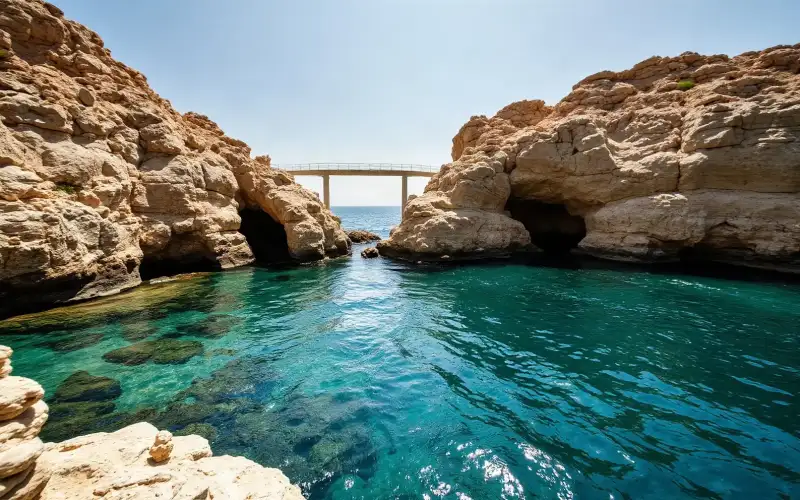
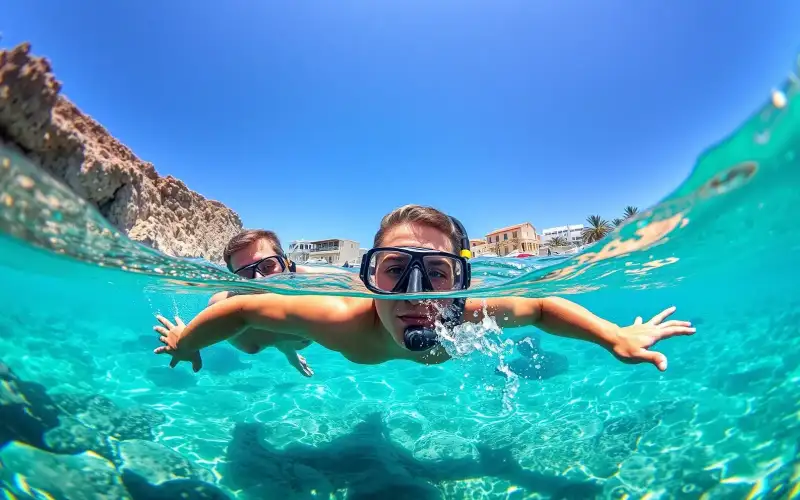
The water at the Blue Lagoon is genuinely stunning. The turquoise colour comes from the shallow limestone seabed, which reflects sunlight and creates that jewel-like appearance. Visibility underwater is typically 12–18 metres, excellent for snorkelling. You'll see small fish (mostly damselfish and wrasse), occasional grouper, and the occasional sea urchin on the rocks.
What you won't see: dramatic coral reefs, sea turtles, or the exotic marine life suggested by some tour operators' marketing materials. The lagoon is a shallow, sandy-bottomed cove with rocky outcrops. It's beautiful, but it's not the Red Sea. Snorkelling is pleasant for 30–45 minutes; after that, you've seen most of what's visible.
The swimming itself is straightforward. The water shelves gradually from the beach, reaching about 4–5 metres at the outer edge of the safe swimming area. There's a slight current running east to west, but nothing challenging. Even weak swimmers can enjoy the lagoon comfortably. In high season, however, you'll be swimming among dozens of other people, which changes the experience considerably.
Safety and Practical Considerations
All operators provide basic safety briefings before departure. Life jackets are available on request, though few people use them. The sea conditions at the Blue Lagoon are usually calm—it's a sheltered anchorage—but wind can pick up in the afternoon, making the boat ride back to Latchi rougher. If you're prone to seasickness, take medication before boarding, and sit in the middle of the boat rather than the bow or stern.
Bring sunscreen, even if you're already tanned. The reflection off the water intensifies UV exposure. A rash guard or swim shirt is more practical than reapplying sunscreen every 30 minutes. The boat provides minimal shade; most people sit in full sun for 3–4 hours. Dehydration is common, so drink more water than you think you need.
Bring your own towel if you're particular about quality; operator-provided towels are often thin and dry slowly. Pack a small bag with essentials—phone in a waterproof case, money for drinks, any medications. There are no facilities at the lagoon itself; toilets and shops are only in Latchi harbour.
Timing Strategies: How to Avoid the Crowds
If your goal is to experience the Blue Lagoon as it appears in photographs—relatively empty, serene, swimmable—timing is everything.
The Early Departure Strategy
Book a private or semi-private trip with a smaller operator for a 6:30–7 a.m. departure. You'll be in the water by 8:15 a.m., with perhaps 10–15 other boats visible. The water is calm, the light is soft and golden, and you can swim and snorkel without navigating crowds. The trade-off: you'll need to arrange your own transport to Latchi (about 45 minutes from Paphos town), and early departures cost €5–10 more per person. But the experience is qualitatively different. My family prefers this approach; we're usually back in Latchi by noon, leaving the afternoon to explore the village or drive to another beach.
The Late-Afternoon Window
If early mornings aren't feasible, book a boat trip that departs Latchi at 4 p.m. or later. Morning crowds have dispersed, and you'll have the lagoon largely to yourself from 5 p.m. onwards. The water is still warm (26–28°C in summer), and the light in late afternoon is softer than midday. The drawback: you'll return to Latchi around 8:30 p.m., which means a late dinner and potentially a long drive back to your accommodation in Paphos. This works better if you're staying locally in Latchi or Polis.
The Shoulder-Season Approach
Visit in May or September. Water temperatures are still pleasant (22–24°C in May, 26–27°C in September), and crowds are a fraction of summer levels. A standard morning trip in May will include perhaps 40–60 boats instead of 200. You'll pay the same price as summer, but experience something closer to what the photographs suggest. September is particularly good: warm water, thinning crowds, and the summer holiday rush has ended.
Practical Details: Costs, Logistics and What to Pack
A standard boat trip from Latchi costs €25–35 per adult and €12–18 per child (under 12). Some operators charge a small surcharge for snorkelling equipment (€2–5) or towels (€3–5). Lunch, if included, adds €5–8 value; drinks are usually free or cost €2–4 for alcohol. Total cost for a family of four: roughly €120–160.
Getting to Latchi from Paphos is straightforward. It's about 45 kilometres (45 minutes by car) north along the B7 coast road. Parking is available near the harbour (free, though spaces fill by 9 a.m. in summer). There's no public bus service to Latchi from Paphos, so a car or taxi is necessary. A taxi from Paphos town costs €50–70 each way.
Pack: swimwear, sunscreen (SPF 50+), a rash guard or swim shirt, a towel, sunglasses, a hat, water bottle (refill at the boat), phone in a waterproof case, and cash (not all operators take cards). Leave behind: valuables, anything you can't afford to lose, and expectations based on Instagram. The Blue Lagoon is worth visiting, but it's worth visiting with realistic expectations about crowds and conditions.
The Verdict: Is It Worth the Trip?
Yes, but with caveats. The Blue Lagoon is genuinely beautiful, and the boat journey along the Akamas coastline is scenic and relaxing. If you visit during shoulder seasons or book an early departure, you'll experience something close to the photographs. If you arrive during peak summer hours expecting solitude, you'll be disappointed.
For families, it's an excellent half-day activity. For swimmers and snorkellers seeking a more immersive experience, consider alternatives like Lara Beach (turtle nesting site, fewer boats, less crowded) or the quieter coves around Akamas that require hiking to access. For photographers chasing that viral image, arrive before 8 a.m. or accept that your photo will include 200 other people.
The Blue Lagoon hasn't changed. What's changed is the number of people trying to visit it. Plan accordingly, and you'll understand why it's been photographed so many times—it genuinely is that beautiful. Just don't expect to have it to yourself.
Comments (5 comments)