
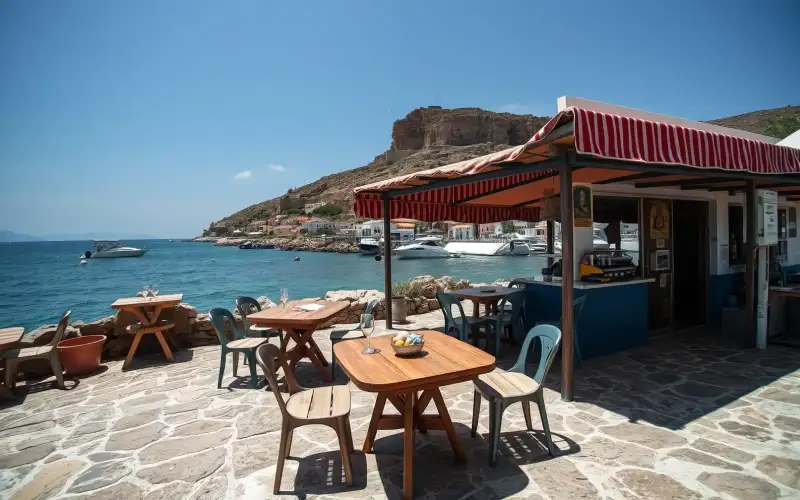
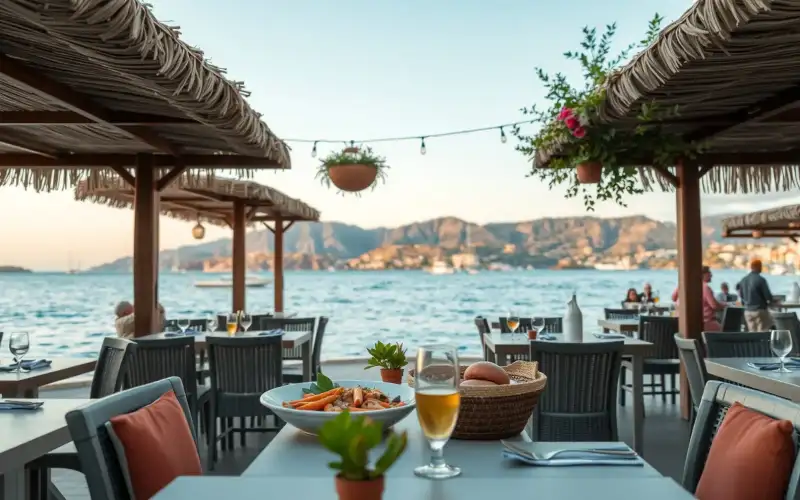
I was halfway through a plate of overpriced halloumi at a seafront restaurant in Paphos town when I noticed the family next to me—three generations crowded around a tiny table—eating from plastic containers they'd brought from home. They weren't being rude. They were being smart. The restaurant's €28 meze platter had arrived looking like something designed for Instagram rather than appetite, and they'd made the journey to Polis instead, where their grandmother's neighbour runs a taverna that serves real food at real prices.
That was five years ago. I've eaten in Paphos town maybe twice since.
The problem isn't that Paphos has bad restaurants. It has excellent ones, actually—places with Michelin ambitions and wine lists that rival Athens. But somewhere between the old harbour and the new developments, the connection between food and place got severed. Restaurants became venues. Menus became marketing documents. Prices climbed toward what tour operators thought tourists would pay rather than what locals believed the food was worth. The result is a dining scene that feels increasingly disconnected from the island itself.
The Paphos Town Trap
Walk down Apostolou Pavlou at seven in the evening and you'll see the machinery of tourist hospitality in full motion. Restaurant staff stand in doorways with laminated menus, calling out to passersby. Specials boards promise fresh fish that arrived that morning—sometimes true, sometimes aspirational. The menus are multilingual, the prices stratified by table location, and the wine list heavy on international labels that cost less in London than they do here.
This isn't inherently bad. Tourism pays wages. It funds infrastructure. But it creates a peculiar distortion: restaurants optimise for the transient diner, the person who'll eat once and never return. That changes everything about how you cook. You prioritise consistency over character, presentation over flavour, speed over conversation. A dish that takes forty minutes to cook properly gets rushed through in twenty because the next seating is waiting.
I watched this happen gradually. Ten years ago, Paphos town still had bones—family places where you'd see the same faces, where the owner knew your name by the third visit. Those places are mostly gone now, replaced by something slicker and more profitable but somehow less nourishing. The food arrives hotter and faster. The table turns quicker. You leave feeling fed but not satisfied, the way you feel after a motorway service station meal, except you've paid three times as much.
The deeper problem is invisibility. In a tourist restaurant, you don't see the person who caught the fish or grew the vegetables. You don't know if that halloumi came from a cooperative in the Troodos mountains or a factory in Limassol. The supply chain is hidden behind the kitchen doors. Food becomes abstracted from its origins, and with that abstraction comes a kind of dishonesty—not malicious, but structural. You're not eating Cypriot food. You're eating a representation of Cypriot food, optimised for foreign expectations.
Why Polis Gets It Right
Polis Chrysochous sits on the northwestern coast, forty minutes from Paphos town, in a fold of landscape that tourism has largely passed by. The village has perhaps two thousand residents. The main square has a small supermarket, a pharmacy, a couple of kafeneios where men play backgammon, and four or five tavernas that have been operating since before tourism became a word.
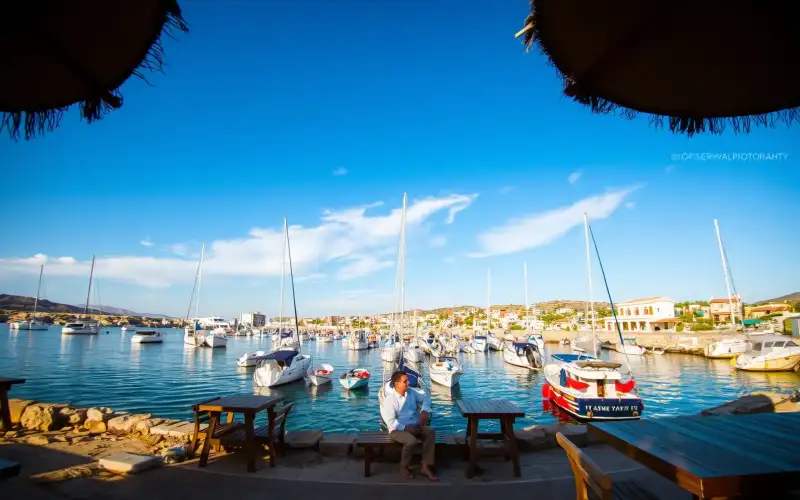
The first time I ate at Latchi Tavern—a place that sits literally on the waterfront in the small harbour—I ordered fish because that's what you do by the sea. The owner, Yiannis, asked what I wanted. I said whatever was fresh. He disappeared into the kitchen and came back ten minutes later with a small red snapper, grilled whole, with nothing but lemon and olive oil. It cost €12. The fish had been in the water that morning. The olive oil was from his cousin's trees in Polis. The lemon was from the tree outside the kitchen door.
That simplicity contains a philosophy. The food isn't trying to impress you with technique or presentation. It's trying to be itself. The flavour of a perfect tomato doesn't need a foam. Good fish doesn't need a reduction. The best Cypriot cooking has always understood this—that restraint is a form of confidence.
This approach only works if you know your suppliers. Yiannis knows exactly where everything comes from because he's been buying from the same people for thirty years. He knows the fisherman who brings his catch to the harbour at dawn. He buys vegetables from a woman who grows them in a garden five minutes away. He makes his own halloumi from milk delivered by a farmer who lives two streets over. These aren't quaint details. They're the foundation of how the food tastes.
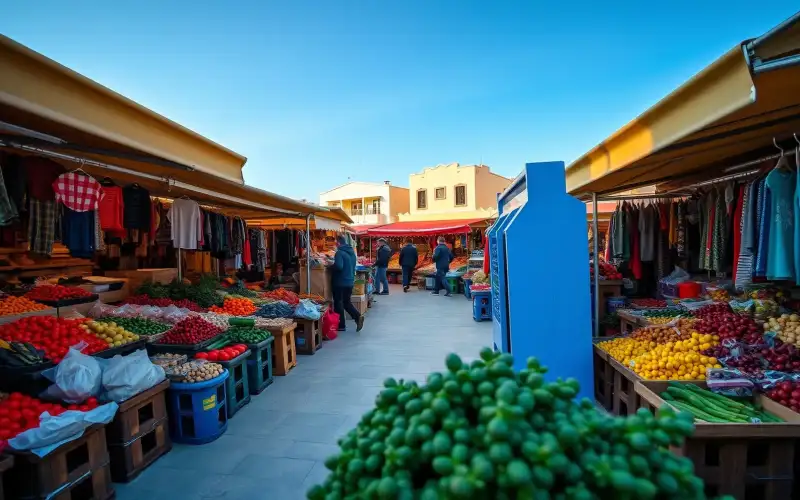
When you eat in Polis, you're eating a place. Every dish carries information about where it came from and who made it. That information is in the taste. It's in the texture of the bread—made by a baker in the village who uses the same recipe his father used. It's in the way the meatballs are seasoned, slightly different at each taverna because each cook has their own mother's version in their head. It's in the vegetables, which arrive at the restaurant still warm from the sun because they were picked that morning, not three days ago.
The Economics of Authenticity
A full meze at a Paphos town waterfront restaurant costs between €22 and €35 per person, depending on which restaurant and which table. The meze typically includes eight to twelve dishes: some halloumi, some squid, some fish, some meat, some vegetables, bread, and usually something the menu calls
Comments (4 comments)