
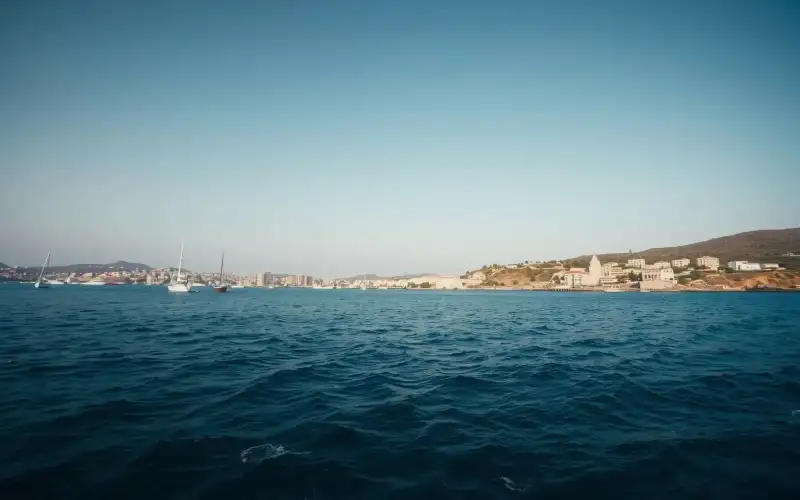
I was sitting in a taverna in the village of Timi, nursing a glass of Commandaria wine, when Yiorgos—the owner—noticed I was reading a dog-eared copy of Durrell's Bitter Lemons. Without a word, he disappeared into the kitchen and returned with a plate of saganaki, fried cheese still crackling with heat, and a small glass of raki. "You read about Cyprus," he said simply. "Now you taste it." No bill followed. That small gesture—unrehearsed, unsolicited—captured something essential about philoxenia, the Cypriot concept of hospitality that shapes everything from how you're welcomed into a restaurant to how a stranger might invite you to their home for Sunday lunch.
Philoxenia isn't merely politeness. It's a philosophy woven into the fabric of Cypriot life, rooted in centuries of Mediterranean tradition and island culture. For travellers seeking to move beyond the resort pools of Coral Bay and into the quieter villages of the Akamas peninsula or the wine country around Polis, understanding and honouring this custom unlocks experiences that no guidebook can promise.
What Philoxenia Really Means
The word itself derives from the Greek philos (friend) and xenos (stranger)—literally, the love of strangers. But it's more than etymology. Philoxenia is an unspoken contract between host and guest, one that predates tourism boards and Instagram hashtags. It suggests that a visitor to your table, your home, or your village becomes, temporarily, part of your family.
In practical terms, this manifests in ways that can surprise newcomers. A taverna owner won't rush you through your meal. A shopkeeper in Pafos town will chat about the weather, your origins, and the best time to visit the Avakas Gorge, even if you're buying a single coffee. A family running a small guesthouse might appear at your door with homemade loukoumades (honey puffs) because they noticed you'd had a long day of hiking. These aren't performances for tourists. They're expressions of a cultural value that runs deeper than commerce.
What makes philoxenia distinct from hospitality in other Mediterranean countries is its lack of expectation for reciprocation. There's no ledger. You're not being generous to secure a five-star review or a generous tip. The act itself is the point. As an older woman told me in a village near Latchi, "When you feed someone, you feed their soul. The money comes later."
Experiencing Philoxenia in Paphos Tavernas
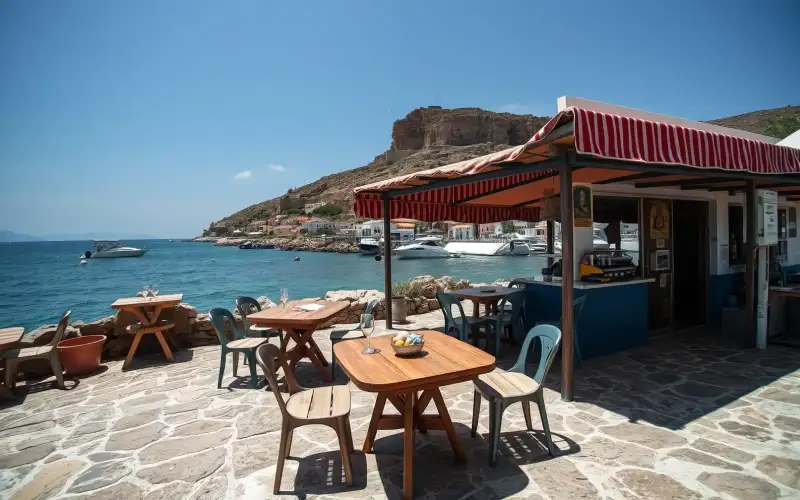
If you want to encounter authentic philoxenia, start where locals eat. Not the seafront establishments in Kato Paphos catering to tour groups, but the neighbourhood tavernas where Cypriots gather for lunch and evening meals.
The Village Taverna Ritual
A proper Cypriot meal doesn't begin when you order. It begins when you sit down. The proprietor—usually the owner, often a woman—will bring bread, olives, and perhaps a small dish of tzatziki without prompting. You haven't paid for these. They're an acknowledgement of your presence, a small kindness that sets the tone. In 2026, expect to pay around €8–15 for a main course in a village taverna, with house wine at €3–5 per glass. But those opening gifts? They're free, always.
The menu, if there is one, might be handwritten or exist only in the owner's memory. "What do you like?" they'll ask. "Fish? Meat? Something light?" They're not being evasive. They're assessing your needs and preferences, the way a friend might. If you say you're tired from walking, they might suggest something warm and comforting rather than heavy. If it's your first time in Cyprus, they'll explain each dish, offer tastes, and likely steer you toward what's freshest that day.
Order a single dish, and you'll receive it with sides—perhaps a small salad, grilled vegetables, a wedge of lemon. The portions are generous not because they're trying to impress you, but because feeding someone adequately is a point of honour. I've watched taverna owners argue with tourists trying to pay for extra sides. "It comes with the meal," they'll insist, genuinely offended by the suggestion that they'd charge separately for hospitality.
Meze Houses and Shared Plates
Meze culture—the tradition of small, shared plates—is philoxenia in edible form. In a proper meze house, you're not eating alone. You're participating in a social ritual where food is a vehicle for connection. Order a selection of mezze (halloumi, saganaki, dolmades, grilled octopus, village salad), and you'll find yourself sharing bites with your dining companion, the server, and quite possibly the owner's mother, who's just emerged from the kitchen to ensure you're enjoying her recipe.
The best meze houses in the Paphos region—places like those tucked into the backstreets of Polis or Latchi—operate on a principle of abundance. You order perhaps five or six small plates for two people, expecting a modest meal. Instead, you receive a parade: charred halloumi, tender lamb keftedes, fresh fish, vegetables in olive oil, bread, more bread. The bill, when it arrives, feels almost apologetic in its modesty. €25–35 per person for what amounts to a feast.
What matters most is how you're made to feel. The owner watches to see if you're enjoying each plate. If you pause over something, they'll ask if it's to your taste. If you're not finishing something, they won't be offended—they'll simply clear it and bring something else. This isn't upselling. It's genuine concern for your satisfaction.
Building Connections Beyond the Restaurant
Philoxenia extends far beyond dining. To truly experience it, you need to venture into village life, where the concept operates at its most authentic.
The Coffee House Culture
Every Cypriot village has a kafeneio—a coffee house where men (traditionally, though this is changing) gather to play backgammon, drink thick Greek coffee, and observe village life. Women have their own gathering spaces, often in homes or at the church. As a visitor, you're welcome in both, though the etiquette differs slightly. In a kafeneio, order a Greek coffee (€1.50–2) and sit quietly. You'll likely be drawn into conversation. An elderly man might ask where you're from, then spend twenty minutes explaining the best route to Avakas Gorge or insisting you visit his nephew's restaurant in Pafos town. Accept these recommendations graciously. They're gifts of local knowledge, freely given.
The coffee itself is secondary to the ritual. You're not there to caffeinate; you're there to be present. Sip slowly. Accept the small glass of water that arrives alongside your coffee. If someone offers you a cigarette (less common now, but it happens), a polite "No, thank you" is sufficient. If they invite you to join their backgammon game, do so, even if you've never played. The game is an excuse for connection.
Village Invitations and Home Hospitality
If a local invites you to their home, treat it as the honour it is. Arrive on time, bring a small gift (wine, pastries, flowers—nothing elaborate), and be prepared to stay longer than you expected. A Cypriot meal at home isn't a quick affair. You'll begin with drinks and mezze, move through multiple courses, and finish with coffee and perhaps a homemade dessert. Conversation will range widely. You'll be asked about your family, your work, your impressions of Cyprus. Answer honestly. Cypriots value directness and authenticity.
One critical note: if food is offered, eat it. Refusing food in a Cypriot home is considered insulting, regardless of dietary restrictions. If you have genuine allergies or strict dietary needs, mention them beforehand. Your host will accommodate, but they need to know in advance.
Shopping and Market Interactions
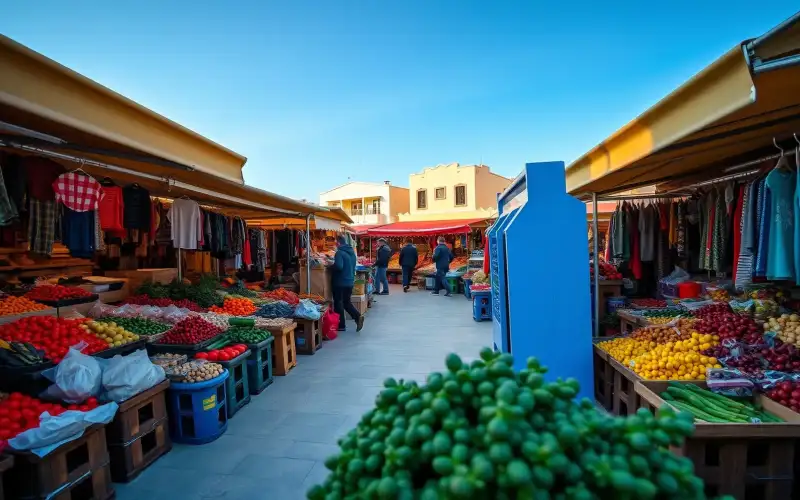
Visit a village market (laiki agores) on a Saturday morning, and you'll encounter philoxenia in its everyday form. Vendors will offer tastes of their produce. A woman selling tomatoes might slice one open and hand you a piece, wanting your opinion. This isn't a sales tactic; it's pride in her product and a desire to share. Buy from vendors you like, and they'll remember you. On your next visit, they'll save you the best produce, chat about your week, and likely throw in extra herbs or a lemon without charging.
In smaller shops—bakeries, butchers, greengrocers—the owner often knows their customers by name and preferences. As a visitor, you won't have that history, but you'll be treated with the same attentiveness. Ask for a recommendation, and the baker will explain the difference between their various breads, suggest which pairs best with cheese, and possibly give you a small sample to try.
The Unwritten Rules of Philoxenia
Understanding philoxenia means respecting its implicit codes. These aren't rules in a formal sense, but they matter.
Gratitude matters, but don't overdo it. A sincere "thank you" is appropriate. Effusive praise or repeated thanks can feel performative. Cypriots are comfortable with genuine emotion; they're less comfortable with theatricality.
Reciprocate appropriately. If invited to someone's home, you can't match their generosity with money. Instead, bring a gift, send a thank-you message afterward, or if you encounter them again, invite them for coffee or a meal. Philoxenia creates a web of connection, not a transaction.
Respect boundaries. Philoxenia is generous, but it's not unlimited. Don't overstay your welcome, don't ask for favours beyond reason, and don't treat hospitality as an entitlement.
Engage with the language. Learning a few Greek phrases—"kalispéra" (good evening), "efharistó" (thank you), "kalí órexi" (good appetite)—costs nothing and is deeply appreciated. Cypriots are patient with linguistic attempts and genuinely delighted when visitors make the effort.
Where to Experience Authentic Philoxenia in 2026
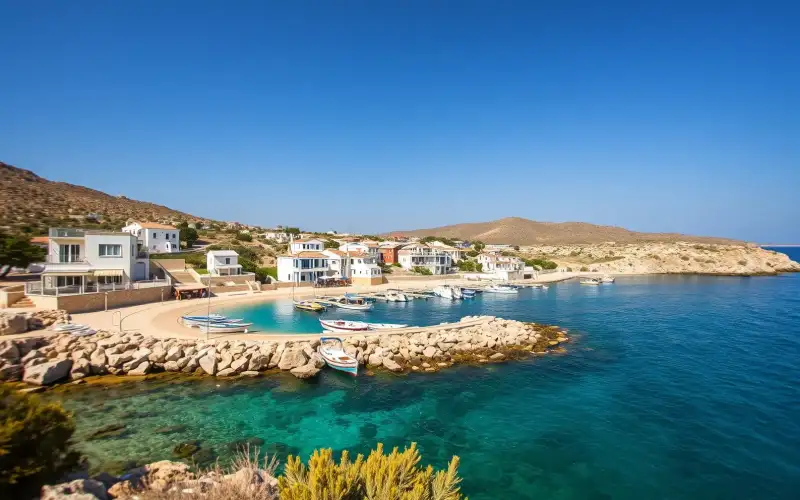
The Paphos region offers numerous opportunities to encounter genuine hospitality. Village tavernas in Timi, Tsada, and Stroumbi operate on principles unchanged for decades. Family-run guesthouses in Polis and Latchi often blur the line between accommodation and home, with owners treating guests as extended family. Wine villages around Vouni offer tastings in family cellars where the conversation matters more than the sale.
The key is choosing establishments where locals eat, where the owner is present, and where tourism feels incidental rather than central. A taverna with a laminated menu and a hostess stand is unlikely to offer authentic philoxenia. One with a handwritten specials board and a proprietor who remembers regulars by name almost certainly will.
The Deeper Meaning
Philoxenia, ultimately, is about recognition. It's the acknowledgement that a stranger deserves dignity, generosity, and genuine care. In an era of transactional tourism, where hospitality is often a service to be rated and reviewed, the Cypriot approach feels almost radical in its sincerity.
When you respect philoxenia—when you engage authentically, show gratitude without expectation, and treat your host as an equal rather than a service provider—you unlock something most tourists never experience. You're no longer a visitor consuming a destination. You're a guest, temporarily part of a community, participating in a tradition that has sustained Cypriot culture through centuries of change.
That glass of raki Yiorgos poured me in Timi wasn't about marketing or customer retention. It was an act of welcome, rooted in a philosophy that sees hospitality not as a business strategy but as a fundamental human value. That's philoxenia. And once you've experienced it, you'll understand why so many travellers return to Cyprus not for the beaches, but for the people.

Comments (3 comments)