
Why Paphos Matters: The Numbers Behind the Destination
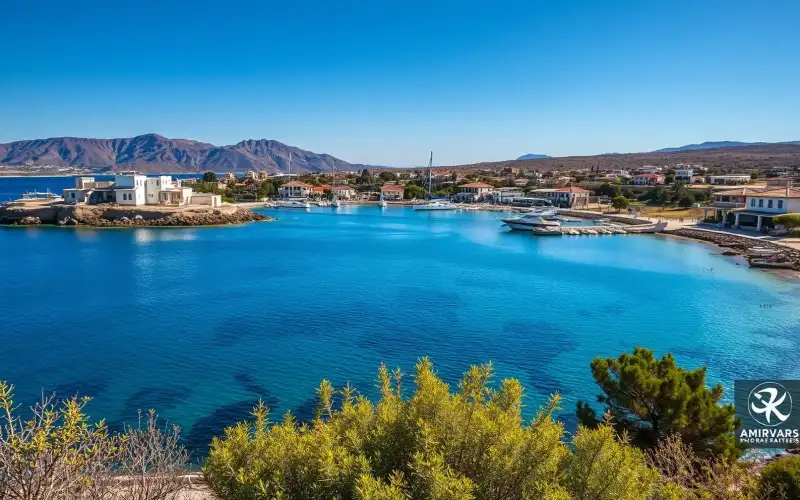
Last October, I stood at Coral Bay watching a couple from Surrey argue about whether the water was actually warm enough for a swim. It was 24°C—perfectly swimmable by any reasonable standard—but they'd packed expecting Mediterranean heat. That conversation sparked dozens of others with visitors who'd arrived unprepared, and it's why this FAQ exists. Paphos receives over 2.8 million visitors annually, yet roughly 40% of British tourists report arriving without answers to basic practical questions. This isn't a failure of travel guides; it's a gap between what guidebooks assume you know and what you actually need.
The Paphos region—stretching from Coral Bay north through Akamas to the villages inland—operates on rhythms that differ sharply from package-resort Cyprus. You're not in Ayia Napa. You're in terrain where local tavernas close at 10 p.m., where August temperatures hit 38°C, where the nearest ATM might be a 15-minute drive, and where understanding currency, tipping, and beach protocols separates a smooth holiday from a frustrating one.
Currency, Money & Costs: What Actually Costs What
Do I need to carry cash or will cards work everywhere?
Cyprus uses the Euro (€). Cards work in Paphos town, resorts, and larger tavernas, but the villages—Latchi, Polis, Akamas-adjacent settlements—still run on cash. I've watched visitors stranded at a fish taverna in Latchi because the owner didn't have card facilities. Bring at least €200 in cash for a week. ATMs cluster around Paphos town centre and the main resorts; expect to find them near supermarkets and banks. Withdrawal fees vary by your UK bank (typically 1.5–3%), so withdraw larger amounts less frequently.
What's the real cost of a holiday meal in Paphos?
A proper sit-down lunch at a village taverna runs €12–18 per person for mains. Dinner is €16–28. Touristy seafront restaurants in Paphos town charge €20–35 for fish. Supermarket meals (salads, wraps) cost €5–8. A beer is €2.50–4 in a taverna, €5–6 in a hotel bar. Coffee is €1.50–2.50. Budget €25–35 per person daily for food if you're mixing tavernas with self-catering.
Are there hidden costs I should know about?
Beach sunbeds and umbrellas: €5–8 per day for a pair. Parking in Paphos town: €1–1.50 per hour (free after 6 p.m.). Car hire: €25–50 daily depending on season and vehicle type. Fuel is roughly €1.40 per litre. Day trips (boat to Blue Lagoon, guided tours) range €35–65. Water at restaurants is often charged (€1–2 per bottle); ask for tap water if you want free refills. Entrance fees to archaeological sites (Tombs of the Kings, Kato Pafos) are €4.50 each.
Weather, Seasons & When to Visit
What's the weather actually like month by month?
This matters because British visitors often misjudge what they're packing for. Here's the reality:
| Month | Temperature (°C) | Sea Temp (°C) | Rainfall (mm) | Best For |
|---|---|---|---|---|
| January–February | 10–16 | 16–17 | 80–100 | Hiking, quiet villages |
| March–April | 16–24 | 17–20 | 40–60 | Wildflowers, comfortable walking |
| May–June | 24–32 | 22–26 | 10–20 | Beach season opens |
| July–August | 32–38 | 26–28 | 0–5 | Peak season (hot, crowded) |
| September–October | 28–32 | 24–26 | 10–30 | Still warm, fewer crowds |
| November–December | 18–24 | 19–22 | 60–90 | Mild, occasional storms |
May through September is peak season. July and August are brutally hot—38°C is common, and the beaches are packed. April and October offer the sweet spot: warm enough for swimming (20–26°C sea), cool enough for walking villages without melting. Winter (November–March) brings occasional rain and cooler temperatures, but it's rarely cold by British standards, and the landscape is green.
Is it ever too hot to enjoy the beach?
Yes. In July–August, 35°C+ temperatures mean you're sun-bathing between 8–10 a.m. or after 4 p.m. Midday is genuinely uncomfortable unless you're in water or under a sunbed umbrella. Locals don't go to the beach at noon in summer; they rest indoors. Plan beach time early or late. Coral Bay and Latchi beaches have tavernas where you can eat, drink, and cool off during peak heat hours.
Beaches, Water Quality & Safety
Are Paphos beaches safe to swim in?
Paphos beaches are monitored and generally safe. Blue Flag beaches (Coral Bay, Lara, Latchi) meet EU water-quality standards. Lifeguards work May through September on main beaches. Undertow exists on exposed beaches like Lara (north-facing); Coral Bay and Latchi are sheltered and calmer. Check local conditions before swimming; winter storms can churn the sea. Don't swim alone, and respect warning flags (red = don't swim, yellow = caution).
What about sea urchins and other hazards?
Sea urchins live on rocky seabeds—wear water shoes if you're walking on rocks. Weever fish bury themselves in sand and can cause painful stings; shuffle your feet rather than stepping deliberately. Neither is common in tourist areas, but it happens. Jellyfish appear occasionally in summer; locals will tell you if they're present. Sunburn is the real hazard—the UV index is 10+ in July–August. Sunscreen SPF 50+ is essential; reapply every 90 minutes.
Can I drink the tap water?
Yes. Paphos has excellent tap water. It's safe, chlorinated, and drinkable straight from the tap. Some visitors find it slightly salty (it comes from desalination plants), but it's perfectly potable. Bottled water is widely available if you prefer it, but it's unnecessary for safety.
Dress Codes, Customs & Social Expectations
What should I wear to tavernas and restaurants?
Casual is the norm. Shorts, t-shirts, and sandals are fine for lunch. For dinner, smart-casual works (no swimwear, no beachwear indoors). Church visits require covered shoulders and knees—women should bring a scarf or shawl. Beach clubs and upscale seafront restaurants in Paphos town might expect slightly smarter dress (no flip-flops), but village tavernas genuinely don't care. Comfort beats formality here.
Is tipping expected?
Tipping isn't mandatory but is appreciated. The convention: round up to the nearest €5 or leave 5–10% for good service. If service is poor, don't tip. Taverna owners often don't expect tips from tourists but appreciate them. Card payments sometimes have a tip prompt; ignore it if you're not inclined. Cash tips go directly to staff, which is preferred.
Are there cultural sensitivities I should know about?
Cyprus is Greek Orthodox Christian. Religious sites deserve respect—remove hats, lower voices, don't photograph inside churches without permission. Loud behaviour late at night (after 11 p.m.) annoys locals; Paphos villages are quiet. Don't assume everyone speaks English; learning basic Greek phrases (hello = kalispéra, thank you = efharistó) is appreciated. Photography: always ask before photographing people. The Cyprus–Turkey history is sensitive; avoid political discussions.
Practical Logistics & Day Trips
How do I get around Paphos without a car?
Paphos town has buses (OSYPA network) connecting to Coral Bay (€1.50), Latchi (€2), and inland villages (€1.50–3). Buses run roughly 6 a.m.–9 p.m., less frequently on Sundays. Taxis are available but pricey (€15–25 for short journeys). Hiring a car (€25–50 daily) is practical if you want flexibility for day trips. Bike rental exists but isn't ideal for August heat.
What day trips are worth the time and money?
Blue Lagoon boat trips from Latchi (€40–50, 4–5 hours) are popular and genuinely beautiful—turquoise water, snorkelling, lunch included. Book ahead in summer. Akamas Peninsula hikes (€30–60 guided, or free if you drive yourself) offer coastal scenery and isolation. Troodos Mountains (1.5 hours drive) offer cooler temperatures, villages, and wine estates—worth a full day. Lara Beach (45 minutes south) has turtle-nesting sites and dramatic cliffs. Polis village (30 minutes north) is charming for lunch and a wander. Most day trips cost €35–65 per person including transport.
Is car hire worth it?
For a week in Paphos, yes. You'll want to explore villages, beaches, and hinterland at your own pace. Hiring a car costs €25–50 daily; fuel is roughly €1.40 per litre. Roads are good, driving is on the left (familiar to British drivers), and parking is easy in villages. Book through established companies (Hertz, Enterprise, local firms) to avoid hidden charges. Check insurance coverage before signing.
Accommodation, Sunbeds & Resort Logistics
What's the difference between hotels, apartments, and villas?
Hotels offer housekeeping, reception, and amenities but less privacy. Apartments (1–2 bedrooms) are self-catering with kitchens—good value for families or longer stays. Villas are standalone homes, often with pools, ideal for groups. Boutique guesthouses in villages (Polis, Latchi) offer character and local knowledge. Prices vary wildly: €40–80 per night for budget apartments, €100–200 for mid-range hotels, €150–400+ for villas. Book direct or through Airbnb, Booking.com, or specialist agencies.
How much do sunbeds and umbrellas cost?
Beach sunbeds: €5–8 per day for a pair (sunbed + umbrella). Some beaches charge per item (€3–4 each). Coral Bay, Latchi, and Lara have sunbed rentals. Bringing your own towel and sitting on the sand is free. Tavernas often give free sunbeds if you buy lunch or drinks—ask.
Do I need to book activities and day trips in advance?
In May, June, September, and October: book 2–3 days ahead. In July–August: book a week ahead or risk sold-out trips. Blue Lagoon boats, guided hikes, and boat rentals fill quickly. Book through your accommodation, local travel agents, or online platforms. Cancellation policies vary; read them carefully.
Health, Pharmacies & Emergency Services
What if I need a doctor or pharmacy?
Paphos General Hospital is in town (free or low-cost for EU citizens with EHIC card). Pharmacies (marked with a green cross) are common and staff speak English. Pharmacists can advise on minor ailments and sell over-the-counter medications. Bring prescriptions if you take regular medications; some UK drugs aren't available under the same name. Travel insurance is recommended even with an EHIC.
Is the healthcare system reliable?
Yes. Cyprus has good healthcare standards. Private clinics exist if you prefer; they're pricier but efficient. Dental work is cheaper than the UK. Ambulance: dial 112. Emergency services respond quickly in Paphos town; response times in remote areas (Akamas, north coast) may be slower.
Dining, Restaurants & Local Food
What should I actually eat in Paphos?
Fresh fish (sea bream, sea bass, grouper) is excellent and often caught daily. Meze (small plates of dips, grilled vegetables, cheese, cured meats) are affordable and shareable. Souvlaki (grilled meat skewers) are quick and cheap. Halloumi cheese is ubiquitous—try it grilled. Local wines from Paphos estates are excellent and inexpensive (€8–15 per bottle in restaurants). Avoid tourist-trap restaurants with laminated menus and picture boards; eat where locals eat. Village tavernas are reliably better than seafront chains.
Are there vegetarian options?
Yes, more than you'd expect. Meze includes hummus, tzatziki, dolmades, grilled vegetables, and halloumi. Most tavernas will make vegetable souvlaki or pasta. Salads are fresh and abundant. Vegan options are rarer but available—ask (vegans are
Comments (4 comments)